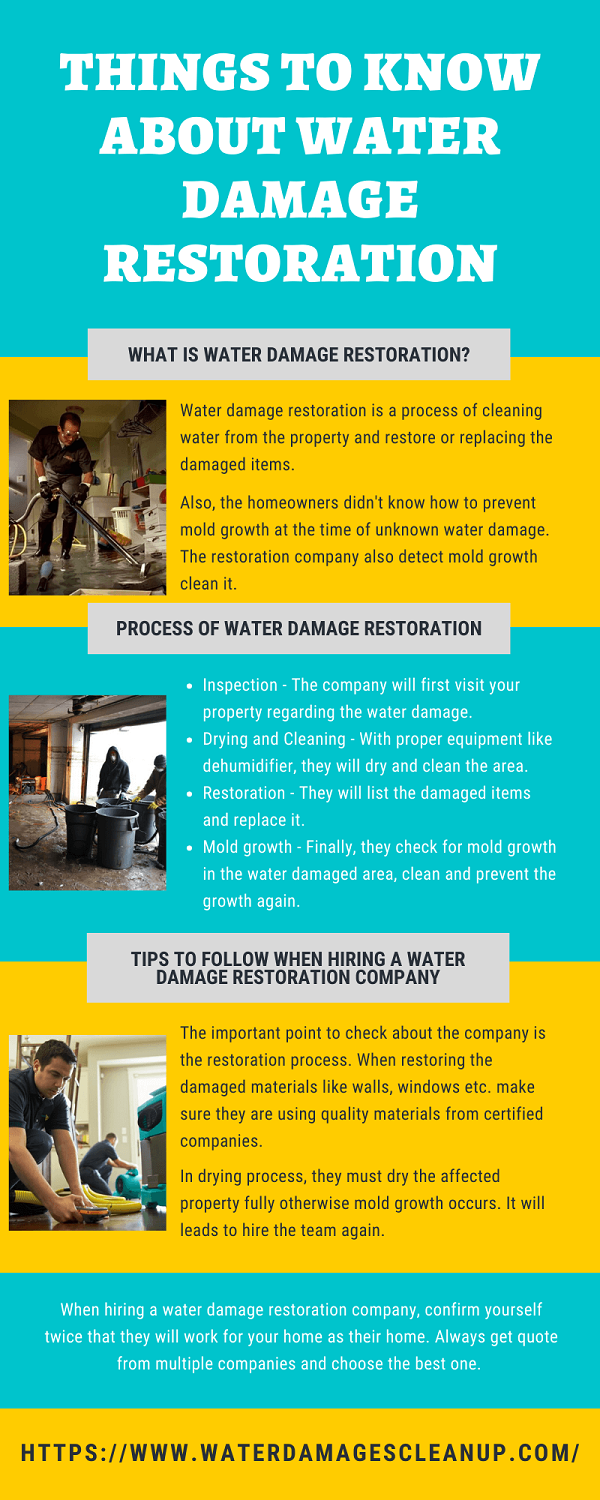
When you face water damages, fast action is critical. You need to guarantee your security first, like shutting off electrical power and wearing safety equipment. As soon as you've done that, quiting the water resource and removing damaged products becomes your concern. Yet it doesn't end there; how you deal with the results can considerably influence mold and mildew growth. Allow's explore the crucial actions to properly recover your space and maintain mold and mildew at bay.
How to Evaluate Water Damage?
Exactly how can you successfully examine water damage in your home? Beginning by inspecting noticeable locations like ceilings, wall surfaces, and floorings for staining or bending.
Take notice of areas near plumbing components and devices, as leakages commonly originate there. Don't forget to check behind furniture and devices, because water can hide in these areas.
Use your feeling of odor; a moldy smell might suggest surprise mold and mildew. Next off, feel for wetness in walls and baseboards, as dampness can remain hidden.
If you see any kind of indicators of water damages, it's important to record everything with pictures for insurance purposes.
Finally, take into consideration using a wetness meter to measure levels, helping you determine one of the most affected areas. Being detailed currently can save you difficulty later.
Actions for Water Damage repair
Taking quick activity is essential when taking care of water damage restoration. Initially, guarantee https://www.aarp.org/home-family/your-home/info-2022/hurricane-and-flood-clean-up-guide.html and security by shutting off electricity and wearing safety gear.
Next, quit the resource of the water, whether it's a leakage or flooding. Remove any furniture and items from the damaged area to stop more damage.
Use towels and mops to absorb excess water, and consider renting out a wet/dry vacuum for bigger locations. Open up doors and windows to advertise air movement and accelerate drying.
Dehumidifiers and followers can help reduce dampness levels. Finally, examine for hidden water pockets in wall surfaces and floors, as these can result in long-term issues.
Taking these steps immediately will establish the foundation for reliable restoration.
How to Keep Mold And Mildew From Taking Hold
While it's difficult to completely remove the risk of mold, you can take aggressive actions to reduce its possibilities of holding in your house.
Begin by controlling humidity levels; aim for 30-50% moisture. Use dehumidifiers in moist locations and ensure proper ventilation, especially in kitchens and bathrooms.
Consistently check for leakages and quickly repair any type of water damages. Tidy and completely dry wet surfaces within 24-48 hours to avoid mold and mildew growth.
Maintain your home well-ventilated by opening home windows and using exhaust followers. Take into biohazard cleaning making use of mold-resistant items, like paints and drywall, when restoring.
Finally, consistently inspect your property for signs of mold, resolving issues immediately to keep a healthy living setting. Regular attention can make a substantial distinction.
Verdict
In conclusion, efficiently managing water damage repair is vital to preventing mold and mildew growth. Always focus on security and act quickly to evaluate and attend to the damage. By following the outlined actions and preserving proper moisture degrees, you can secure your property. Do not forget to check on a regular basis and consider utilizing mold-resistant products during repairs. With prompt action and treatment, you can secure your home and guarantee a risk-free, healthy atmosphere for you and your liked ones.